
Are you eligible for implants?
- posted: Jun. 16, 2024
Common Factors That May Prevent You From Being Eligible for Dental Implants
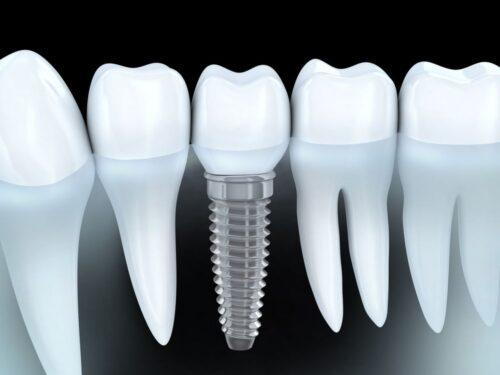
Are you considering dental implants as a solution for missing teeth? While dental implants are a popular and effective treatment option, there are certain factors that may prevent you from being eligible. It’s important to understand these factors before undergoing the procedure.
One important factor to consider is the overall health of your jawbone. Dental implants require a strong and healthy jawbone to support the implant. If you have experienced significant jawbone loss, due to factors such as periodontal disease or tooth loss, you may not be a suitable candidate for dental implants.
Another factor that may affect your eligibility for dental implants is your general health. Certain medical conditions, such as uncontrolled diabetes or autoimmune diseases, may increase the risk of complications during the implant procedure. Your dentist will evaluate your overall health to determine if dental implants are a safe option for you.
Additionally, smoking and heavy alcohol consumption can negatively impact the success of dental implant surgery. These habits can slow down the healing process and increase the risk of implant failure.
In this article, we will explore the common factors that may prevent you from being eligible for dental implants and provide guidance on alternative treatment options.
Understanding the eligibility criteria for dental implants
When considering dental implants, it’s essential to understand the criteria that determine whether you are a suitable candidate for this procedure. Dental implants are designed to replace missing teeth and provide a strong foundation for artificial teeth. However, the success of these implants depends on several factors that are evaluated by your dental professional. One of the primary considerations is the state of your oral health, including the condition of your gums and remaining teeth. Healthy gums and adequate bone density are crucial for supporting dental implants, ensuring their longevity and functionality.
Another essential eligibility criterion involves the overall health of the patient. Certain systemic conditions can complicate the healing process and the integration of the implants within the jawbone. Your dentist will likely conduct a thorough medical history review and may request additional tests to assess your health status. Factors such as age, medical history, and lifestyle choices will be discussed to determine if dental implants are a viable option for you. Furthermore, your dental professional will evaluate whether you have realistic expectations regarding the procedure and its outcomes.
In addition to health considerations, the eligibility criteria also include personal motivations and psychological readiness for undergoing surgery. It’s vital that candidates for dental implants are fully informed about the procedures, potential risks, and aftercare requirements. Having a clear understanding of what is involved in the implant process will help you make an informed decision. This holistic approach to assessing eligibility helps ensure that patients are not only physically ready for dental implants but also emotionally prepared for the journey ahead, resulting in a higher chance of success.
Medical conditions that may affect eligibility for dental implants
Several medical conditions can significantly impact your eligibility for dental implants. One of the most critical factors is the presence of uncontrolled diabetes. Diabetes can impair healing and increase the risk of infection, which is detrimental to the success of the implant. Patients with poorly managed blood sugar levels may experience complications during and after the procedure, making it essential to consult with your healthcare provider to ensure your diabetes is under control before considering dental implants.
Autoimmune diseases, such as rheumatoid arthritis or lupus, can also affect your eligibility. These conditions often lead to inflammation and can hinder the body’s healing processes. The medications used to manage autoimmune diseases, including corticosteroids, may further complicate the healing process. It’s vital for individuals with such conditions to discuss their medical history in detail with their dentist, as alternative treatments may be recommended if dental implants are deemed too risky.
Additionally, patients with a history of cancer or those currently undergoing cancer treatment may face challenges in obtaining dental implants. Chemotherapy and radiation can weaken the jawbone and impact overall oral health, making it difficult for implants to properly integrate. Each case is unique, and a thorough consultation with both your dentist and oncologist is necessary to weigh the risks and benefits of proceeding with dental implants in such scenarios.
Oral health factors that may impact eligibility for dental implants
The health of your oral cavity plays a crucial role in determining your eligibility for dental implants. One of the primary concerns is the condition of your gums. Gum disease, or periodontal disease, can lead to inflammation and infection, which may compromise the success of dental implants. If you have active gum disease, your dentist will likely recommend treatment to restore gum health before proceeding with any implant procedures. Healthy gums are essential for anchoring the implant and providing the necessary support for your new teeth.
Another significant factor is the presence of remaining teeth. If you have significant tooth loss, it is essential to assess the health of the adjacent teeth. Any untreated cavities or infections in nearby teeth can complicate the implant procedure. Your dentist may recommend addressing these issues first to ensure a healthy environment for the implants. A thorough examination and treatment plan will help establish a solid foundation for successful implant placement.
Moreover, oral hygiene practices play a vital role in determining eligibility for dental implants. Individuals who struggle with maintaining a proper oral care routine may face challenges in keeping their gums and teeth healthy. Poor oral hygiene can lead to gum disease, which may subsequently hinder the success of dental implants. Before considering implants, your dentist may encourage you to improve your oral hygiene habits and possibly undergo professional cleaning to ensure your mouth is in optimal condition for the procedure.
Lifestyle habits that may make you ineligible for dental implants
Certain lifestyle habits can significantly affect your eligibility for dental implants. Smoking is one of the most notable factors that can hinder the success of the procedure. Tobacco use can impair blood flow to the gums, making healing more difficult after surgery. Additionally, smoking is associated with a higher risk of implant failure, leading many dental professionals to advise patients to quit or at least reduce their smoking habits before undergoing the procedure.
Heavy alcohol consumption is another lifestyle factor that can impact dental implant eligibility. Excessive drinking can impair your immune system and interfere with the healing process. Alcohol can also interact negatively with medications prescribed during and after the dental implant procedure, leading to complications. Your dentist may recommend cutting back on alcohol consumption or abstaining altogether to improve your chances of a successful outcome.
Lastly, poor nutrition can also affect your eligibility for dental implants. A diet lacking essential nutrients can weaken your immune system and slow down the healing process. Patients are encouraged to focus on a balanced diet rich in vitamins and minerals that promote oral health. Before proceeding with dental implants, your dentist may suggest dietary adjustments to ensure your body is well-nourished, which can ultimately increase the likelihood of successful healing and integration of the implants.
Dental history and previous treatments that can affect eligibility for dental implants
Your dental history plays a significant role in determining your eligibility for dental implants. If you have previously undergone treatments such as tooth extractions, it is crucial to evaluate how these procedures may have affected the surrounding bone structure. Bone loss can occur after tooth removal, and insufficient bone density can hinder the placement of implants. Your dentist may recommend a bone grafting procedure to restore lost bone mass before proceeding with the implant surgery.
Additionally, a history of orthodontic treatment may also impact your eligibility for dental implants. While orthodontics can align your teeth effectively, significant movement of the teeth can alter the bone structure in the jaw. This change may affect the success of the implants. A comprehensive assessment of your jaw and teeth alignment will help determine if any adjustments are necessary before proceeding.
Another consideration is the presence of previous dental work, such as crowns or bridges. These restorations can sometimes complicate the placement of implants, especially if they are located in the same area as the intended implant site. Your dentist will evaluate the condition and location of any existing dental work to ensure it does not interfere with the success of the implant. Open communication about your dental history and previous treatments will aid in developing a tailored treatment plan that optimizes your chances of a successful implant procedure.
Assessing bone density and quality for dental implant eligibility
Bone density and quality are critical factors in determining your eligibility for dental implants. For implants to succeed, they must be integrated into a healthy jawbone that can support them effectively. If you have experienced significant bone loss due to periodontal disease, tooth loss, or other factors, your dentist may conduct imaging tests such as X-rays or CT scans to evaluate the bone structure in your jaw. This assessment will help determine whether you have sufficient bone density for implant placement.
In cases where bone density is insufficient, your dentist may recommend bone grafting as a preliminary step. This procedure involves adding bone material to the jaw to create a stronger foundation for the implants. Bone grafts can be sourced from various places, including your own body, a donor, or synthetic materials. The success of the grafting procedure is vital, as it will provide the necessary support for the dental implants in the future. Your dentist will guide you through the options available and help you understand the timeline for recovery and healing.
Additionally, the quality of the existing bone is just as important as its density. Factors such as bone quality, presence of bone defects, and overall jaw health can influence the implant’s stability. Your dentist will assess the condition of the bone during your evaluation to ensure that it is conducive to successful implant placement. If the bone quality is inadequate, additional treatments may be necessary to enhance the bone structure before proceeding with dental implants.
The role of age in determining eligibility for dental implants
Age can also play a significant role in determining eligibility for dental implants. While dental implants are often associated with older adults who experience tooth loss due to aging, younger patients can also be candidates for the procedure. However, it is essential to consider that bone development continues into the late teens and early twenties. Therefore, younger individuals may not be suitable candidates until their jawbone has fully developed. Dental professionals typically recommend waiting until growth is complete to ensure proper implant placement and integration.
In older adults, several age-related factors may influence eligibility for dental implants. While age alone does not disqualify anyone from receiving implants, older adults may have additional health concerns or conditions that can complicate the procedure. For instance, they may be dealing with chronic illnesses that could affect healing. Therefore, a thorough assessment of overall health, including any medications taken, is critical in determining whether dental implants are a safe option.
Moreover, the success rate of dental implants tends to remain high across various age groups. With advancements in dental technology and techniques, older adults can benefit from implants just as much as younger patients. However, older adults may require more extensive evaluations and pre-operative assessments to ensure that they are suitable candidates. A comprehensive approach involving both dental and medical professionals will help determine the best course of action for older patients considering dental implants.
Alternative options for tooth replacement if ineligible for dental implants
If you find that you are ineligible for dental implants, there are several alternative options available for tooth replacement. One common alternative is a dental bridge, which involves anchoring a prosthetic tooth to adjacent natural teeth. This method can effectively restore function and aesthetics, allowing you to chew and speak comfortably. While bridges do not provide the same long-term durability as implants, they can be a suitable solution for those who may not have sufficient bone density or health conditions that complicate implant procedures.
Another option is partial or complete dentures, which are removable appliances designed to replace missing teeth. Dentures can be tailored to fit your mouth comfortably and can restore your ability to eat and speak. While some individuals may find dentures less desirable due to their removable nature, modern advancements have improved their fit and function, making them a viable alternative for tooth replacement.
Lastly, resin-bonded bridges, also known as Maryland bridges, can serve as an alternative for those who are not eligible for dental implants. These bridges involve bonding a prosthetic tooth to the back of adjacent teeth, providing a less invasive and more conservative option compared to traditional bridges. Consulting with your dentist about these alternatives can help you explore the best solution for your specific needs and circumstances, ensuring that you achieve an effective and aesthetically pleasing result.
Conclusion and final considerations for dental implant eligibility
In conclusion, understanding the common factors that may prevent you from being eligible for dental implants is essential for anyone considering this treatment option. Eligibility is influenced by a variety of aspects, including oral health, medical conditions, lifestyle habits, and dental history. By assessing these factors comprehensively, you and your dental professional can determine the most appropriate course of action for your unique situation.
If you are found to be ineligible for dental implants, don’t be discouraged. There are several alternative tooth replacement options available that can effectively restore function and aesthetics. Whether it’s a dental bridge, dentures, or other solutions, your dentist can guide you in finding the best fit for your needs.
Ultimately, the most important aspect is to maintain open communication with your dental professional, voice your concerns, and discuss your goals for treatment. Together, you can navigate the journey toward achieving a healthy and confident smile, regardless of the path you choose.
Contact Us

